
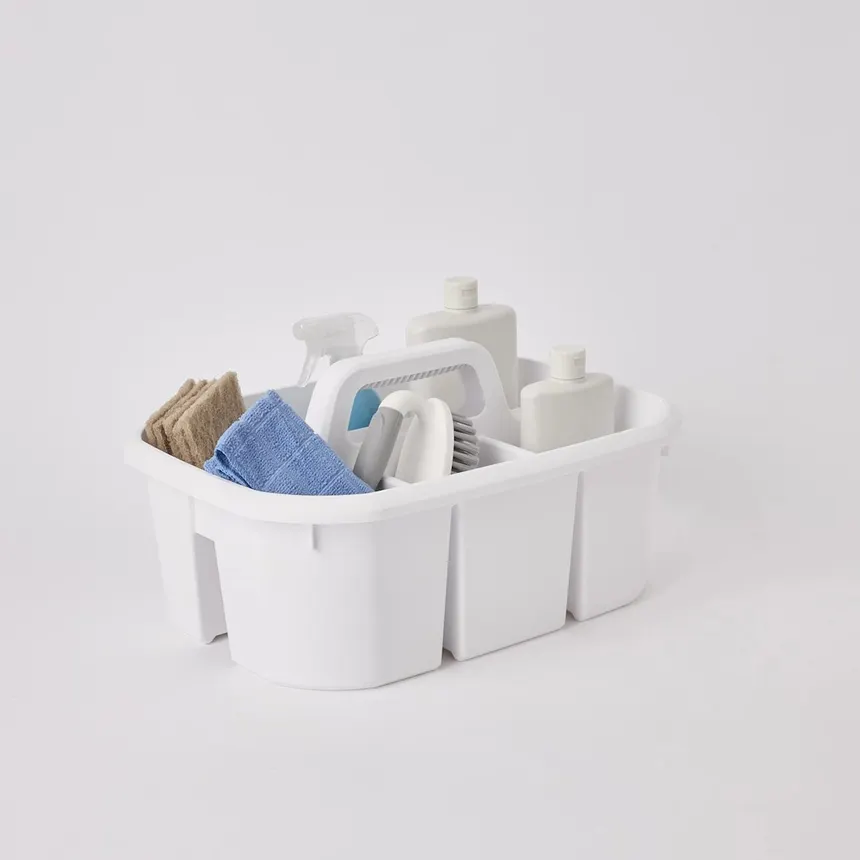
If you’re cleaning anything from a single bathroom to an entire office building, a well-organised cleaning caddy can be the difference between an efficient 30-minute job and a frustrating hour of hunting for supplies. Whether you’re a facility manager, a property owner tackling regular maintenance, or a cleaning professional, keeping your cleaning tools and products within arm’s reach saves time, reduces waste, and ensures you never leave the job half-finished because you forgot a critical product. We are cleaning professionals and we depend on our caddy to work efficiently.
In this guide, we’ll walk through exactly how to organise a cleaning caddy so you work smarter, not harder.
Why Caddy Organisation Matters
Before we dive into the how, let’s address the why. An organised cleaning caddy:
- Saves time – No searching for that one spray bottle while holding a mop
- Prevents cross-contamination – Bathrooms require different products and practices than break rooms; keeping supplies separated matters to not cross contaminate the equipment
- Extends product life – Properly stored chemicals stay effective longer and won’t leak into other supplies
- Improves safety – When everything has a designated spot, you’re less likely to knock bottles over or accidentally mix incompatible products, we have found it builds good routine among team members
- Boosts professionalism – Clients notice when you’re organised and ready to work, not fumbling around
What Goes in a Cleaning Caddy?
Not every caddy needs the same supplies, but here’s what a typical multi-surface cleaning caddy should contain:
Chemical Cleaners
- All-purpose surface cleaner
- Glass and window cleaner
- Disinfectant (hospital-grade for high-touch areas)
- Toilet bowl cleaner
- Floor cleaner or degreaser (depending on surface type)
Tools & Equipment
- Microfiber cloths (multiple colors if possible)
- Scrub brushes or sponges
- Small squeegee or window blade
- Disposable gloves
- Trash bags (small rolls)
Specialty Items (based on your needs)
- Vacuum attachments or handheld vacuum
- Air freshener
- Grout brush
- Dustpan
- Barkeepers friend a cleaning solution for the toughest of stains
Safety & Practical
- Hand towels or paper towels
- Measuring cup (for diluting concentrates)
- Label maker or tape (for marking diluted solutions)
- Safety data sheets (SDS) for all chemical products
Step-by-Step: How to Organise Your Caddy
1. Choose the Right Caddy
For commercial or frequent use, look for:
- Divided compartments – Keeps products separated and stable during transport
- Durable plastic – Won’t rust or degrade with exposure to moisture and chemicals
- Multiple handles – One handle limits what you can carry; two handles or a shoulder strap give you flexibility
- Lightweight but sturdy – You’re carrying this around; it shouldn’t weigh 20 pounds before adding supplies
- Water-resistant bottom – Spills happen; your caddy should handle them
Popular styles include the caddy trolley (for larger jobs) and the hand-carried bucket caddy (for quick cleanups and smaller spaces).
We really like these:
2. Separate by Product Type
Use the compartments in your caddy to organize by category:
- Left compartment: All liquid cleaners (all-purpose, glass, disinfectant)
- Center compartment: Dry supplies (cloths, gloves, brushes, bags)
- Right compartment: Specialty or less-used items (air freshener, deodorizer, extra supplies)
This layout keeps liquids isolated from dry goods, reducing the risk of spills ruining your cloths or creating a mess inside the caddy.
3. Use Secondary Containers
Spray bottles take up space and can leak. Consider:
- Transfer bottles with labels – Decant multi-purpose cleaners and disinfectants into smaller, clearly labeled containers. This cuts down on bulk and makes your caddy lighter
- Spray bottle organizers – Small caddies within the caddy specifically designed to hold 2–3 spray bottles upright
- Sealed cloth bags – Store microfiber cloths in a waterproof bag to keep them dry and separate
4. Maximise Vertical Space
- Stack items – Nested containers and products that can stack safely help you fit more without making the caddy heavier
- Hang items on the handle – Small bags or hooks attached to the caddy handle can hold extra gloves, trash bags, or lint rollers
- Use the lid – Some caddies have lids; use them to secure items on top or store small items inside the lid itself
5. Label Everything
This is non-negotiable if you’re sharing a caddy with others or using concentrate solutions:
- Mark all spray bottles with the product name and dilution ratio if applicable
- Color-code bottles (e.g., blue for glass cleaner, green for all-purpose) for quick identification
- Note any safety warnings on homemade or diluted solutions
- Keep an updated inventory list inside the caddy lid
6. Regular Maintenance
Organisation only works if you maintain it:
- After each use: Return items to their compartments, toss trash, and wipe down the caddy if wet
- Weekly: Refill spray bottles, replace used cloths, check for leaks or spills
- Monthly: Deep clean the caddy itself, check expiration dates on products, restock supplies
- Quarterly: Audit your supplies, are you actually using everything in your caddy, or is it carrying dead weight?
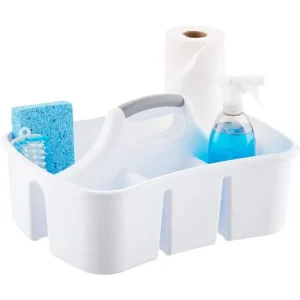
Caddy Organisation by Job Type
Different cleaning jobs call for different supplies.
Here’s how to adapt:
General Household or Office Cleaning
Stock the basics: all-purpose cleaner, disinfectant, glass cleaner, cloths, and gloves.
This caddy should be lightweight and portable.
Bathroom-Focused Cleaning
Add toilet bowl cleaner, a dedicated toilet brush, and a grout brush. Use separate cloths for toilet areas (color-coded if possible) and keep sanitizer spray easily accessible. It is very important to keep what you use on the toilet and toilet bowl separated from what you use to clean the basin, tap handles, sink and bench tops. Avoid cross contamination at all times.
Kitchen Cleaning
Include a degreaser, floor cleaner for tile or linoleum, and extra cloths. Kitchens generate the most mess, so stock extra supplies and plan for frequent restocking.
High-Traffic Commercial Spaces
Caddies for large facilities should include hospital-grade disinfectant, floor treatments, and extra trash bags.
Consider a larger trolley-style caddy if you’re cleaning multiple rooms.
Pro Tips from Cleaning Professionals
Invest in quality microfiber cloths. Cheap cloths fall apart, leave lint, and need replacing constantly. One good cloth outlasts five cheap ones. *We are looking into one time use disposable chux wipes for toilets and bathroom stalls.
Never mix chemicals. Certain combinations (like bleach and ammonia) create toxic fumes. Keep cleaners separated and always label diluted solutions clearly.
Use a damp cloth system. Keep a small bucket of water in your caddy (or refill at each location). Many jobs only need water and a microfiber cloth, no chemicals necessary.
Dilute strategically. Concentrated products save money and space, but mix according to instructions. Over-dilution wastes product; under-dilution wastes money.
Keep your caddy in the vehicle, not at home. If your caddy is in your car and always stocked, you’re ready for any cleaning job that comes up. An unpacked caddy at home is just clutter.
Conclusion
An organised cleaning caddy is a simple tool that pays dividends in efficiency, safety, and professionalism. Whether you’re cleaning your own home weekly or managing commercial properties, taking 10 minutes to set up your caddy properly will save you hours of frustration and wasted time searching for supplies. We find it very helpful when performing our duties.
Start with the caddy organisation system above, adapt it to your specific needs, and commit to maintaining it. You’ll notice the difference the very first time you work with a properly organised caddy, and you’ll never go back to a jumbled mess of bottles and cloths.
About Brightside Commercial Cleaning
At Brightside Commercial Cleaning, we’ve developed our systems and processes over years of working with schools, facilities, and businesses across Perth. A well-organized approach isn’t just about caddies, it’s about showing up prepared, professional, and ready to deliver results. If you’d like to learn more about our commercial cleaning services, reach out for a no-obligation consultation.