Commercial Cleaning Safety Checklist: Essential Guidelines for Professional Teams
Safety isn’t negotiable in commercial cleaning. Whether you’re managing a small team or coordinating cleaners across multiple sites, a comprehensive safety checklist ensures everyone goes home healthy every day. This guide covers the critical safety protocols every commercial cleaning operation needs to follow.
Why Safety Matters in Commercial Cleaning
Commercial cleaning exposes workers to chemical hazards, physical risks, and environmental challenges that differ dramatically from household cleaning. A single incident a slip and fall, a chemical exposure, or improper equipment use can result in lost work time, liability claims, and damage to your business reputation. The Australian Work Health and Safety Act (2011) requires that businesses, including cleaning contractors, provide a safe working environment and identify hazards before they cause harm. For cleaning businesses, this means documented safety procedures, regular training, and ongoing risk assessments.
Pre-Shift Safety Briefing
Conduct toolbox talks at the start of each week (10-15 minutes on a specific hazard)
What are we cleaning today?
Different environments require different hazards awareness. A medical facility poses infection control risks. A factory presents machinery and chemical storage hazards. A school demands child-safe protocols.
What chemicals are we using?
Every cleaner must know which products are being used, what hazards they present, and what precautions are required. Never assume someone knows. Brief them explicitly.
Site-specific rules.
- Does the site prohibit cleaning during certain hours?
- Are there areas off-limits?
- Who’s the site contact if something breaks?
- Is parking restricted?
Answer these before arrival.
Emergency procedures.
- Where’s the first aid kit?
- Who’s the designated first aider?
- What’s the emergency contact number?
- How do we report incidents?
Physical Safety & Ergonomics Slips, trips, and falls account for the majority of cleaning injuries.
Wet Floor Protocols:
- Always use wet floor signs
- Clean one area at a time, never entire hallways at once
- Squeegee floors immediately after mopping
- Allow adequate drying time before opening areas to foot traffic
- Use non-slip footwear at all times
Ladder Safety:
- Never use a ladder as a stepladder (it’s not designed for it)
- Ensure ladders are on stable, level surfaces
- Never overreach move the ladder instead
- Keep 3 points of contact at all times
- Don’t hand tools up lower them with a rope
Lifting & Manual Handling:
- Bend at the knees, not the back
- Keep loads close to your body
- Avoid twisting while lifting
- Ask for help with items over 15kg
- Use equipment (hand trucks, trolleys) for heavy items
Equipment Operation:
- Only trained operators use floor buffers, high-pressure washers, or carpet extractors
- Read the manual before first use
- Inspect equipment for damage before each shift
- Tie back cords and hoses to prevent tripping
Infection Control & Cross-Contamination
Particularly critical in medical facilities, schools, and childcare centres:
Never Use the Same Cloth in Multiple Rooms
- Dedicate cloths to specific areas (bathroom cloths separate from general areas)
- Wash cloths daily in hot water
- Dispose of single-use cloths properly
Bathroom Hygiene:
- Toilets cleaned last (never first) – Use toilet brush for toilet work only
- Glove changes between toilet and other areas
- High-touch surfaces (door handles, taps) disinfected regularly
Medical & Healthcare Facility Standards:
- Follow facility infection control procedures
- Understand what “terminal cleaning” means in your context
- Proper disposal of biohazard materials
- Communication with healthcare staff about patient areas
Incident Reporting & Documentation
If someone does get injured or exposed to a hazard:
- Provide first aid immediately
- Report to your manager or site supervisor
- Document the incident – note date, time, location , people involved, witnesses and any context
- Investigate the root cause – what went wrong? how do we prevent it happening again? was procedure followed?
- Keep records – your insurer and the regulator may need them. Serious incidents must be reported to safeWork WA within set timeframes.
- Seek medical attention, all involved should seek medical attention no matter how minor the medical injury
Supervisor & Team Lead Responsibilities If you’re managing a cleaning team:
- Conduct toolbox talks at the start of each week (10-15 minutes on a specific hazard)
- Observe your team working, are they following protocols?
- Ask questions: “Why are you using that method? Is there a safer way?”
- Don’t assume competence verify that people actually know how to do things safely
- Report near-misses (incidents that almost happened but didn’t) they signal a hazard waiting to cause harm
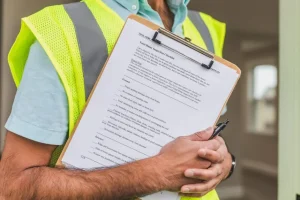
Final Checklist Before Every Shift Print this and tick off:
- [ ] All team members briefed on today’s site and hazards
- [ ] PPE distributed and inspected (no tears, proper fit)
- [ ] Chemicals checked, correct labels, no leaks
- [ ] Equipment inspected and is working properly
- [ ] Wet floor signs available
- [ ] First aid kit present and accessible
- [ ] Emergency contact numbers posted
- [ ] Site-specific rules understood
- [ ] Incident reporting procedure known
Safety is the foundation of professional cleaning. When your team knows you prioritize their health, they work better, stay longer, and take pride in doing things right.
About Brightside Cleaning
At Brightside Commercial Cleaning, safety isn’t a compliance checkbox it’s how we operate every day. Our team is trained on safety protocols tailored to each site we work on, from schools to medical facilities. If you’d like to discuss safety standards for your facility, contact us for a consultation.